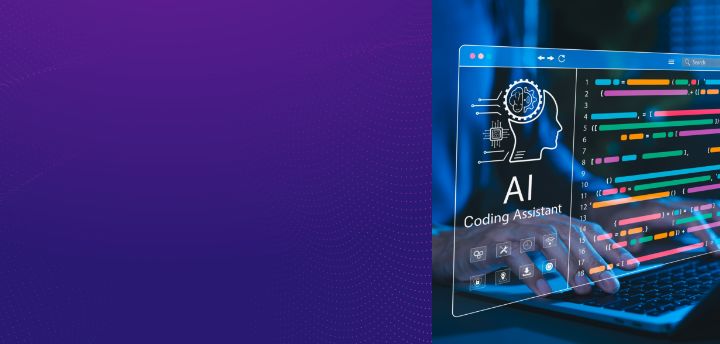


Generative AI for software development is transforming how modern applications are built in 2026. Instead of writing all code manually, generative AI for developers is now used through AI-powered tools that understand instructions and generate working solutions in seconds. This makes the development process faster, easier, and more efficient.
In software engineering, generative AI for developers is commonly used for creating boilerplate code, improving or restructuring existing code (refactoring), converting code from one programming language to another, and automatically generating test cases to ensure software quality. These capabilities reduce repetitive work and allow developers to focus more on problem-solving, system design, and building better user experiences.
What Is Generative AI for Software Development?
Generative AI for software development is the use of artificial intelligence tools that can create, modify, and improve software based on simple instructions given by developers. Instead of manually writing every line of code, generative AI for developers allows them to describe what they want in natural language, and AI systems generate the required code or solution.
In simple terms, it is like having an intelligent coding assistant that helps you build software faster and with less effort.
Key Points
AI that creates code automatically - Generative AI can write functions, modules, and even full applications based on user prompts.
Works using natural language input - Developers can explain requirements in simple language, and AI converts them into working code.
Helps in multiple stages of development - It is used for coding, debugging, testing, documentation, and optimisation.
Powered by advanced models - It uses Large Language Models (LLMs) trained on massive amounts of programming and text data.
Reduces manual effort - Developers spend less time on repetitive tasks and more time on problem-solving and design.
Improves speed and productivity - Software development becomes faster because AI handles routine and time-consuming work.
Supports modern development workflows - It integrates with tools like IDEs, APIs, and cloud platforms to assist developers in real time.
In short, generative AI for software development is a technology that helps developers build smarter, faster, and more efficient software using AI-powered automation.
Use Cases of Generative AI in Software Development
Instead of manually writing every line of code, developers can describe what they want in natural language, and generative AI tools can generate the required code, fix issues, or suggest improvements automatically.
In simple terms, it acts like an intelligent coding assistant that helps developers build software faster, reduce effort, and improve overall productivity.
Key Points
AI that creates boilerplate code - Generative AI can automatically generate basic code structures, setup files, and repetitive templates, saving developers a lot of time in starting projects.
Code refactoring and optimisation - It helps improve existing code by making it cleaner, faster, and easier to maintain without changing the actual functionality.
Code translation between languages - Developers can convert code from one programming language to another, such as Python to JavaScript, using AI tools quickly and accurately.
Automated test case generation - Generative AI can create unit tests and test cases to check whether the software works correctly and meets requirements.
Bug detection and fixing - It can identify errors in code and suggest fixes, making debugging faster and more efficient.
Documentation generation - AI tools can automatically create technical documentation, API guides, and code explanations.
Support for full application development - In some cases, generative AI can help build entire features or small applications based on simple prompts.
In short, generative AI in software development helps automate repetitive tasks, improve code quality, and speed up the entire development lifecycle.
Popular Generative AI Tools for Software Development
Generative AI tools are now widely used in software development to speed up coding, improve quality, and automate repetitive tasks. These tools are powered by Large Language Models (LLMs) and help developers write, debug, and manage code more efficiently. In simple terms, they act like smart coding assistants that support developers throughout the development process.
Key Points
GitHub Copilot - GitHub Copilot provides real-time AI code suggestions and completions directly inside code editors. It helps developers write functions faster and reduces repetitive coding work.
OpenAI Codex / ChatGPT - OpenAI Codex and ChatGPT convert natural language into code. Developers can describe requirements in simple terms, and the AI generates code, explains logic, and helps with debugging.
Google Gemini - Google Gemini assists in coding, debugging, and documentation. It helps developers solve complex problems and understand programming logic more easily.
AWS CodeWhisperer - AWS CodeWhisperer generates secure, real-time code suggestions and is highly useful for cloud-based and AWS-integrated applications.
Snyk - Snyk focuses on identifying and fixing security vulnerabilities in code. It helps developers build secure applications by scanning dependencies and code risks.
MetaGPT - MetaGPT simulates a full software development team using AI agents. It can plan, design, and generate complete software workflows automatically.
Cursor AI - Cursor AI is an AI-powered code editor that understands entire codebases and helps with writing, editing, and refactoring code using natural language commands.
Codeium - Codeium is a free AI coding assistant that provides fast autocomplete, multi-language support, and smart code suggestions for developers.
Replit AI - Replit AI allows developers to write, run, and deploy code directly in the browser with AI support for debugging and development.
Tabnine - Tabnine is an AI code completion tool that learns from your coding style and provides personalised suggestions across multiple programming languages.
Additional AI Coding Assistants (LLM-powered tools) - Tools like Claude, LLaMA-based assistants, and other LLM-powered platforms are also widely used for coding support, code generation, and debugging tasks.
How Generative AI Tools Work in Development
Generative AI tools are changing how software is built by making the development process faster, smarter, and more automated for generative AI for developers.
Instead of writing every line of code manually, developers can simply describe what they need, and AI tools generate the required code, fix errors, and even help with testing and deployment. These tools work using advanced AI models that understand programming languages and natural language instructions, making them highly useful in modern software engineering workflows.
Key Points
AI that creates code automatically - Generative AI can write functions, modules, and full applications based on simple user prompts.
Natural language to code conversion - Developers can describe requirements in plain English, and AI converts them into working code.
Context-aware code generation - AI understands the existing project structure and generates code that fits seamlessly into the codebase.
Automated debugging support - It detects errors in code and suggests fixes or improvements in real time.
Code refactoring assistance - AI improves existing code by making it cleaner, faster, and easier to maintain.
Test case generation - It automatically creates unit tests and integration tests to ensure software quality.
Multi-step task execution - AI agents can break complex tasks into steps like coding, testing, and deployment.
API-based integration - Generative AI tools connect with external APIs to extend functionality and automate workflows.
IDE-based assistance - AI works inside development environments like VS Code and Cursor to provide real-time suggestions.
Continuous learning support - AI systems improve over time by learning from developer feedback and usage patterns.
Benefits of Generative AI in Software Development
Generative AI is making software development faster, smarter, and more efficient by automating many parts of the coding process. Instead of spending time on repetitive tasks, developers can now use AI tools to generate code, fix errors, and build applications more quickly. This shift allows teams to focus more on creativity, problem-solving, and building better software products.
Key Points
Faster development cycles - Generative AI speeds up coding, testing, and deployment, helping developers deliver software in less time.
Reduced manual effort - It automates repetitive tasks like writing boilerplate code, test cases, and documentation.
Improved code quality - AI suggests optimised and error-free code, improving overall software performance.
Higher productivity - Developers can focus on complex logic while AI handles routine programming tasks.
Cost efficiency - Automation reduces development time and resource requirements, lowering project costs.
Faster debugging - AI quickly identifies bugs and suggests fixes, improving development speed.
Easier learning for beginners - new developers can learn faster using AI-generated code examples and explanations.
Better collaboration - Teams can maintain consistent coding standards with AI-based suggestions.
Enhanced testing process - AI automatically generates test cases to improve software reliability.
Supports innovation - Developers can experiment more freely as AI reduces effort in building prototypes.
Challenges of Generative AI in Software Development
Generative AI is transforming software development, but it also comes with several challenges that developers and organisations need to manage carefully. While it improves speed and productivity, it is not perfect and still requires human oversight to ensure accuracy, security, and reliability in real-world applications.
Code may require human validation
Security risks in AI-generated code
Dependency on model accuracy
Lack of deep business context in outputs
Need for skilled developers to guide AI
Conclusion
Generative AI is reshaping software development by making coding faster, easier, and more automated for generative AI for developers. It helps developers write code, fix errors, generate tests, and build applications with greater efficiency. At the same time, it reduces repetitive work and allows teams to focus more on innovation and problem-solving.
However, it is not a complete replacement for human developers. Challenges like accuracy issues, security risks, and lack of full context understanding mean that human oversight is still essential. When used correctly, generative AI becomes a powerful assistant that improves productivity and accelerates development.
In the future, software development will increasingly rely on generative AI for developers, making it a core part of every developer’s workflow.
Ready to go beyond using AI coding tools? Explore IIT Kharagpur’s Gen AI course for developers to build the skills needed to create your own AI-powered applications.