



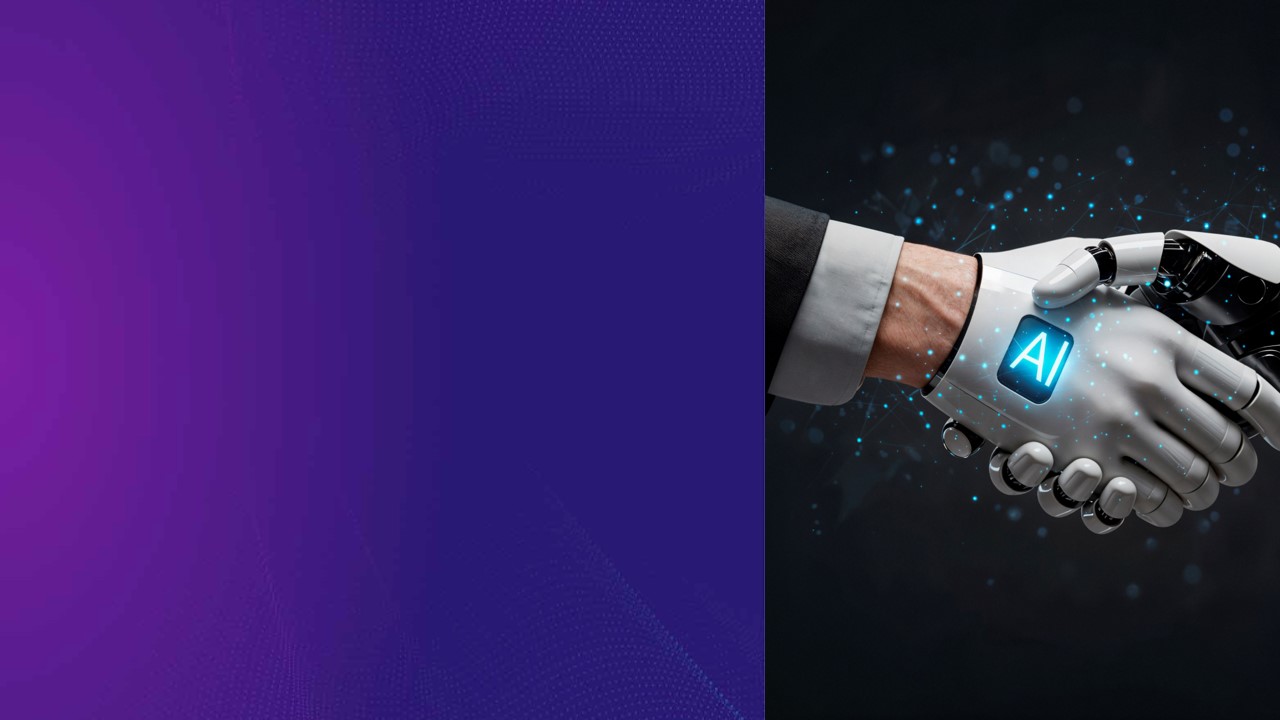
Artificial Intelligence is growing fast, and companies today need both strong product leaders and engineering leaders to build successful AI products. AI Product Leaders focus on what product should be built, what problems it should solve, and why customers will find it useful. Their main focus is business goals, customer needs, and product strategy.
AI Engineering Leaders focus on how to build the product using the right technology, tools, systems, and AI models. They make sure the product works properly, can scale, and is technically possible.
Simply put, Product Leaders think about the idea and direction, while Engineering Leaders turn that idea into a real working product. Both roles are different, but they must work closely together to create successful AI solutions. In this blog on AI Product Leadership vs AI Engineering Leadership, we’ll understand the difference between these two roles in very simple language.
What is AI Engineering and Product Leadership?
AI Engineering and Product Leadership is about building AI products that actually solve real problems for users and businesses. It brings together technical skills and product thinking to create solutions that are useful, scalable, and easy to use.
People in these roles work closely with engineering, product, and data teams. Their job is to make sure AI systems don’t just work in theory, but also perform well in real situations and create real value for the business and users.
These leaders are involved in the full journey of an AI product—from planning and building to launching and improving it over time. As more companies start using AI, the need for leaders who can connect technology with business goals is growing fast.
Key Responsibilities
- Set the vision and direction for AI products
- Understand user needs and market opportunities
- Work on AI models, systems, and technical setup
- Make sure systems are reliable, secure, and scalable
- Collaborate with engineering, product, and data teams
- Improve user experience using AI features
- Balance new ideas with ethics and rules
- Track how well the product is performing
AI Product Leadership vs AI Engineering Leadership (Key Differences)
AI Product Leadership and AI Engineering Leadership both play key roles in building AI products, but they focus on different parts of the journey. AI Product Leadership focuses on what to build and why it matters. AI Engineering Leadership focuses on how to build it strongly and reliably. Together, they make sure AI products are useful and actually work in real life.
1. Focus
- Product Leadership: What to build and why (user needs and business goals)
- Engineering Leadership: How to build it (systems, models, and technology)
2. Goal
- Product Leadership: Create value for users and business
- Engineering Leadership: Build systems that are stable, fast, and scalable
3. Decisions
- Product Leadership: Defines features and priorities
- Engineering Leadership: Chooses tools, architecture, and technical approach
4. Success
- Product Leadership: User growth, satisfaction, and business impact
- Engineering Leadership: Performance, accuracy, and system reliability
5. Working Style
- Product leaders guide direction (what and why)
- Engineering leaders handle execution (how)
- Both work together to build successful products
Why Both Roles Are Important in AI Projects
AI projects succeed only when two things come together: building the right solution and building it the right way. That’s why both AI Product Leadership and AI Engineering Leadership are important. Product leadership makes sure the team is solving the right problem. Engineering leadership makes sure the solution works in the real world. One defines direction and value, and the other ensures technical execution and reliability. Together, they turn AI ideas into practical, usable, and scalable products.
Key Points
- Solving the right problem: Product leaders ensure AI is built for real user needs and business value
- Making it work in reality: Engineering leaders make sure AI systems run smoothly in production
- Balancing ideas and feasibility: Product teams push for new features, engineering teams check what is technically possible
- Avoiding wasted effort: This balance prevents building complex features that don’t deliver real impact
- Continuous improvement: Product leaders use feedback to guide direction, while engineers improve models and systems over time
- Managing risk and quality: Product leadership avoids low-value features, while engineering reduces technical issues like downtime and bias
- Working together: Both roles combine strategy and execution to deliver successful AI products
Challenges in AI Product and Engineering Leadership
Leading AI projects is not simple because things change quickly and results are not always predictable. Both AI Product Leadership and AI Engineering Leadership face different challenges, but many of them also overlap. Success depends on how well both sides handle these issues together.
Main Challenges
- Finding the right problem to solve with AI
- Handling unpredictable model behaviour and technical issues
- Balancing ambitious ideas with real technical limits
- Dealing with poor or incomplete data
- Measuring success in different ways (business vs technical metrics)
- Scaling AI systems without breaking performance or increasing cost too much
- Managing ethics, fairness, and responsible AI use
- Keeping up with fast-changing AI tools and technologies
In short, the challenge is building systems that are both useful and reliable, even when things are uncertain.
How Organisations Can Align Both Leadership Roles
AI projects work best when AI Product and Engineering teams are fully aligned. When they don’t work together properly, teams can move in different directions and waste time. But when both sides collaborate well, AI ideas turn into strong, scalable solutions.
Key Ways to Align
- Share a common vision for AI goals
- Start collaboration early, not after planning is done
- Agree on shared success metrics
- Work in cross-functional teams
- Build and improve in small steps instead of big releases
- Keep communication open and regular
- Balance creativity with technical reality
- Make sure both sides understand basic AI concepts
When both roles work closely together, AI products become more practical, stable, and useful.
Future of AI Product and Engineering Leadership
The future of AI Product and Engineering Leadership is moving toward teamwork between product and engineering. As AI becomes a core part of digital products, the line between product and engineering roles is getting less clear. Both sides now need to understand each other’s work better to build successful AI systems.
Key Trends
- Product and engineering roles are blending more
- Products will be designed around how AI actually behaves
- Engineering will expand into full AI systems, not just models
- Generative AI and AI agents will become more common
- Responsible AI (ethics, safety, fairness) will become more important
- Teams will rely more on testing and continuous improvement
- Companies will prefer leaders who understand both product and technology
In the future, success will depend on leaders who can think about both users and technology together, and adapt quickly as AI continues to evolve.
Conclusion
AI Product Leadership vs AI Engineering Leadership is not about choosing one over the other, but about understanding how both work together. Product leaders focus on what to build and why it matters, while engineering leaders focus on how to build it in a scalable and reliable way.
When both roles align well, AI products become more useful, stable, and impactful. Product leadership ensures the right problems are solved, and engineering leadership ensures those solutions actually work in real-world conditions. In the end, success in AI depends on strong collaboration between both sides to turn ideas into effective, real-world solutions.
Frequently Asked Questions
1. What is the difference between AI Product Leadership and AI Engineering Leadership?
AI Product Leadership focuses on what to build and why it should be built. It is about understanding user needs, business goals, and product value. AI Engineering Leadership focuses on how to build it using the right technology, models, and systems. In simple terms, product leaders define direction, while engineering leaders turn that direction into a working AI system.
2. What does an AI Product Leader do?
An AI Product Leader identifies customer problems, defines product vision, and decides which AI features should be built. They work closely with business, design, and marketing teams to ensure the product delivers real value and supports company goals. Their success is measured by user adoption, customer satisfaction, and business impact.
3. What does an AI Engineering Leader do?
An AI Engineering Leader is responsible for building and managing AI systems. They handle machine learning models, data pipelines, system architecture, and deployment. Their goal is to make sure AI products are fast, reliable, scalable, and work properly in real-world conditions.
4. Which is more important: AI Product Leadership or AI Engineering Leadership?
Neither is more important than the other. Both are equally critical. AI Product Leadership ensures the right problem is being solved, while AI Engineering Leadership ensures the solution is built correctly. Without one, AI products either fail to deliver value or fail technically.
5. How do AI Product and Engineering Leaders work together?
They collaborate throughout the product lifecycle. Product leaders define goals and user needs, while engineering leaders check technical feasibility and build the system. Continuous communication helps them balance business expectations with technical reality.
6. What skills are needed for AI Product Leadership?
AI Product Leaders need strong skills in product strategy, customer research, communication, and a basic understanding of AI concepts. They should also be able to analyse market trends, define roadmaps, and prioritise features based on business value.
7. What skills are needed for AI Engineering Leadership?
AI Engineering Leaders need strong technical skills in machine learning, data engineering, software architecture, and cloud systems. They should also understand system design, model deployment, scalability, and performance optimisation.
8. Can one person handle both AI Product and Engineering Leadership?
In small startups, one person may handle both roles. However, in larger organisations, these roles are usually separated because both require deep expertise. Combining them becomes difficult as AI systems grow in complexity.
9. Why is AI Product Leadership vs AI Engineering Leadership important in AI projects?
This distinction is important because it ensures clarity in roles and responsibilities. Product leadership focuses on building the right product, while engineering leadership focuses on building it the right way. This balance reduces failure risk in AI projects.
10. How is AI changing product and engineering leadership roles?
AI is making both roles more interconnected. Product leaders now need a basic technical understanding of AI, while engineering leaders are more involved in product decisions. As AI systems evolve, collaboration between both roles is becoming even more important for success.